
Why does Momo Choose Wet Extrusion Small-Format Tiles?
Sep 01,2026
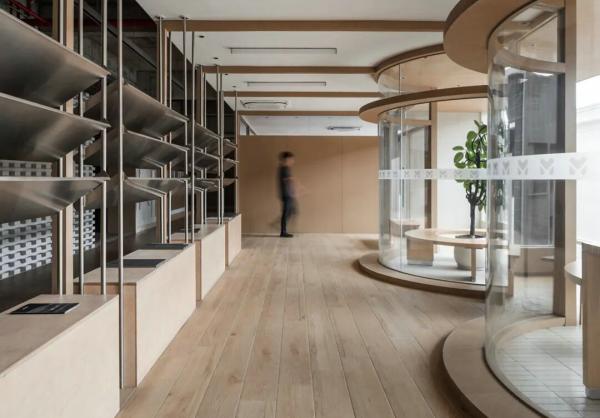
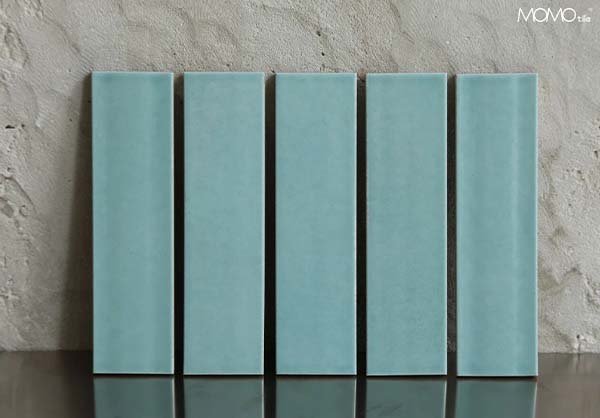
Small-format tiles naturally possess a stronger sense of scale and decorative quality. They can serve as visual focal points in localized spaces such as walls, island counters, bar counters, entryways, and bathrooms, or establish nuanced order, rhythm, and light-and-shadow layering through different laying patterns.
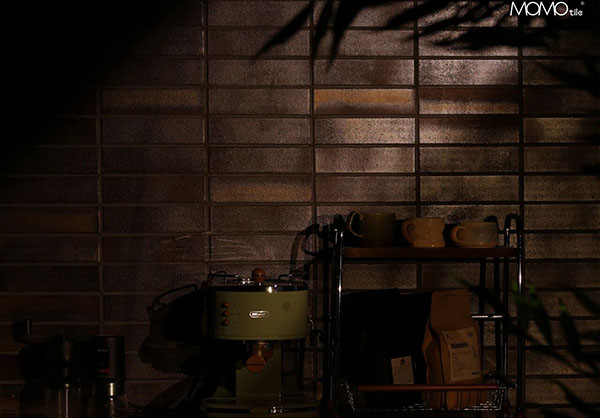
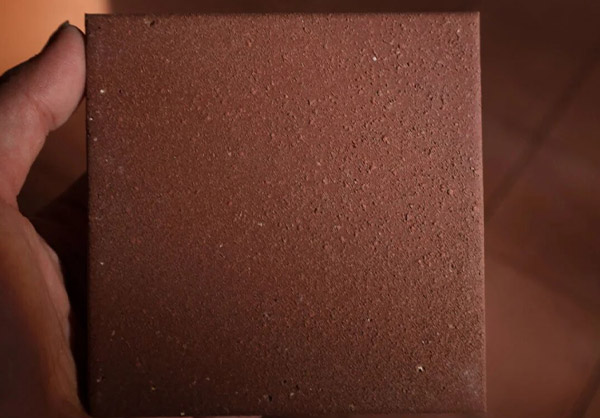
The combination of wet extrusion process with small-format tiles further amplifies this scale advantage. The smaller tile surface more readily reveals the subtle textures left by clay extrusion, and the joints between tiles create more distinct shadow relationships. When natural light or low-color-temperature lighting falls on a wall, the micro-rounded edges, pinholes, glaze retraction, and kiln color variation collectively form a layered surface — rather than a monolithic, smooth, cold, and unvarying plane.
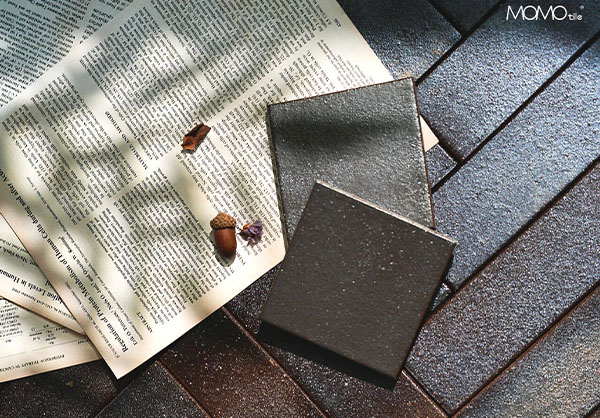
This is also an important starting point for Momo's R&D of wet extrusion small-format tiles: using traditional craftsmanship to break the repetitiveness of industrial building materials, allowing spatial surfaces to regain handcrafted warmth, material texture, and perceptible detail.
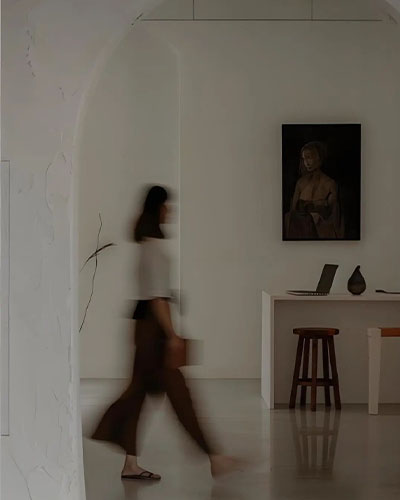
For the younger generation of homeowners and designers, home is no longer merely a functional container but also an aesthetic expression. An increasing number of "Young Idealists" desire spaces that need not be overly perfect, but are authentic, relaxed, and endowed with distinctive memorable points. Wet extrusion small-format tiles are perfectly suited to this need: understated yet identifiable; not pursuing absolute uniformity, yet capable of adding layering to walls, furniture elevations, and localized scenes.