
What is the Wet Extrusion Process?
Sep 15,2026
The wet extrusion process is a traditional ceramic forming method in which ceramic clay body with relatively high moisture content is continuously extruded through vacuum extrusion equipment, then subjected to cutting, drying, glazing or surface treatment, and firing to form the tile body.
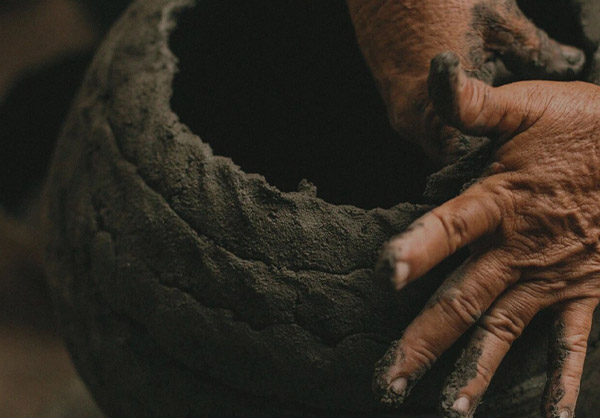
Extrusion Process
Unlike the common dry-press forming method — in which dry powder is compacted under high pressure to produce a stable, uniform body — wet extrusion stays closer to the clay's natural state. During extrusion, the clay is pushed in a single direction, causing internal mineral grains and clay structures to align naturally with the extrusion direction, thereby creating subtle yet genuine process marks on the tile surface and edges.
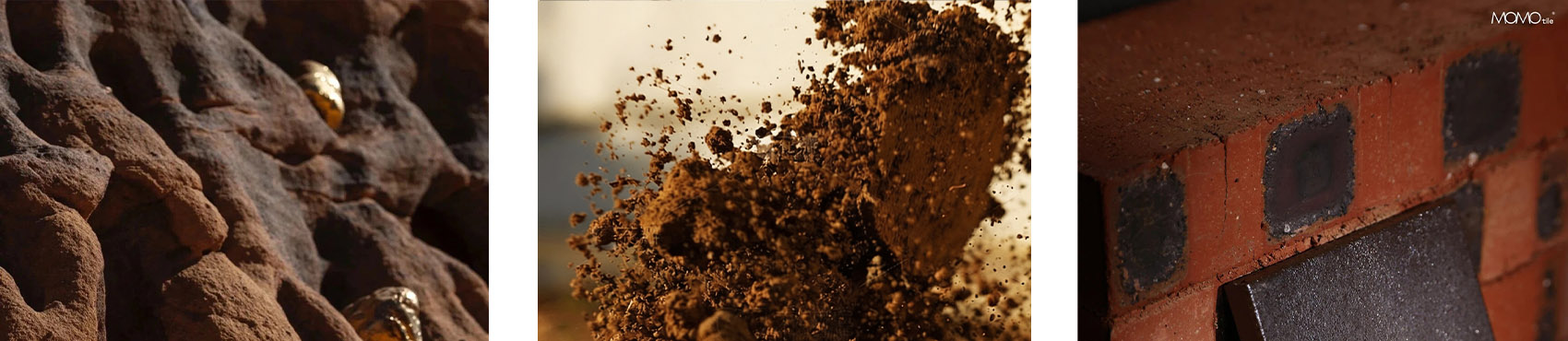
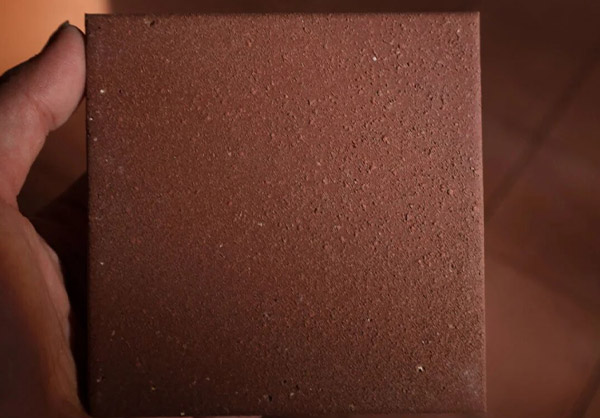
These marks include slight extrusion texture, micro-rounded edges, fine pinholes, localized color variation, natural kiln transformation, and dimensional variation caused by clay drying and firing shrinkage. For large-format standard tiles, such variations are often regarded as deviations to be minimized; but for artisanal tiles, small-format artistic tiles, and wet extrusion products, they precisely constitute part of the product's identity and the vitality of the space.
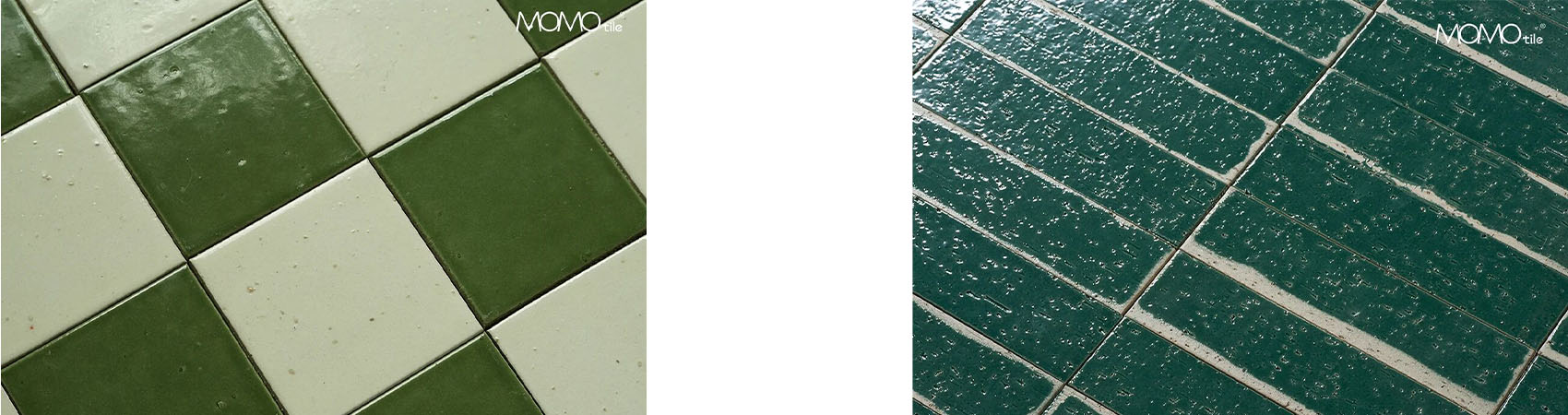
Thus, the core value of the wet extrusion process lies not in manufacturing tiles that are "identical in every piece," but in preserving the material authenticity of "each piece bearing subtle variation" on a foundation of controlled quality.